
Six Hindi phrases to learn before your Indian tour
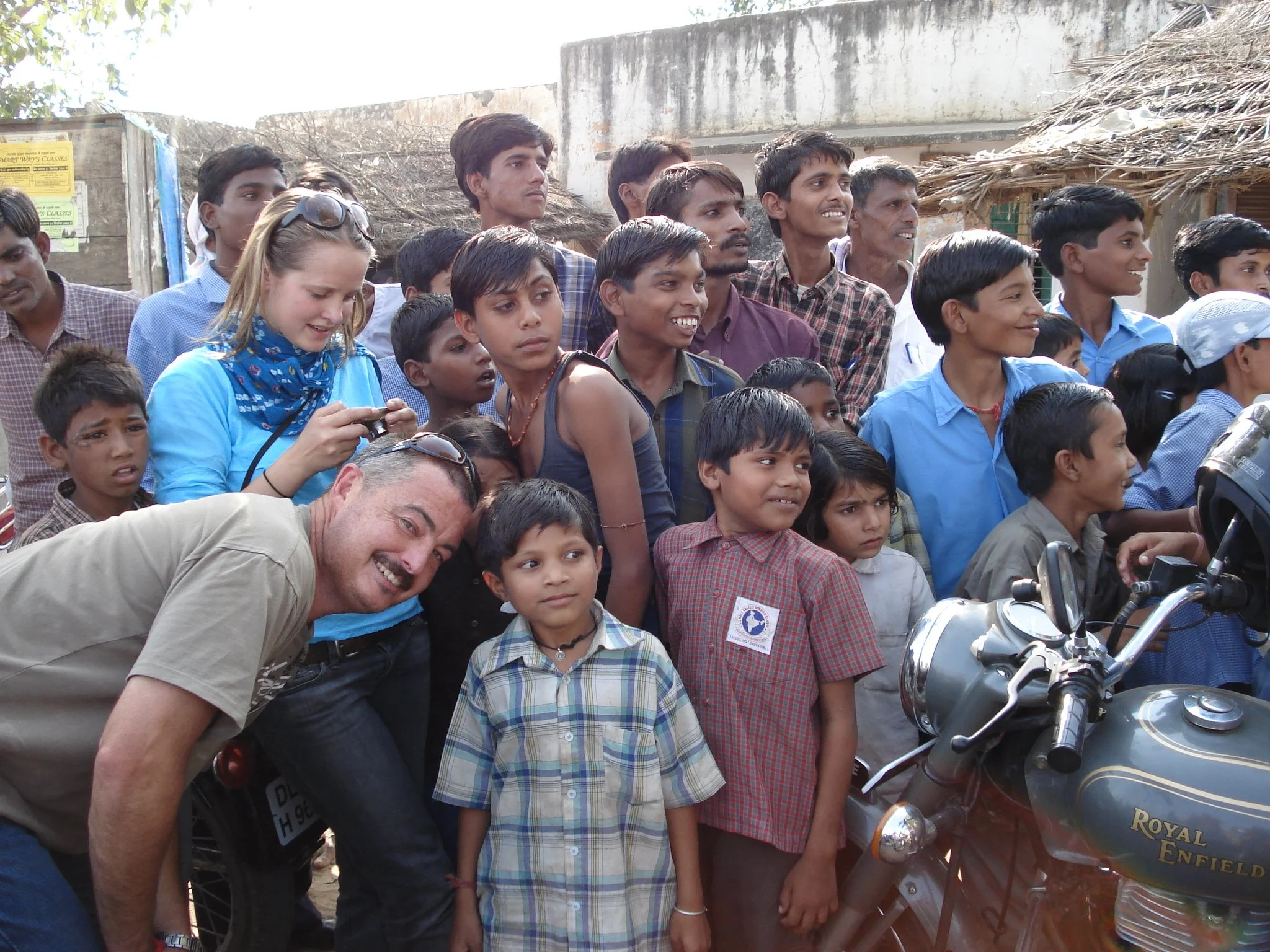
One of the easiest ways to connect with people in India is to learn a few simple Hindi words before you arrive. You don't need to be fluent - just making the effort is often met with a smile, and it's a great way to break the ice with the many locals you will meet along the way.
Here are six handy phrases that will help you fit right in:
Hello – Namaste
Pronounced: Nah-mah-stay
The traditional Hindu greeting that is widely used across all religions and most parts of India. Press your palms together, give a slight nod and say "Namaste." It's respectful, friendly and understood throughout most of India.
For those of you joining our Himalayan adventures, you can swap ‘Namaste’ for the greeting ‘Julley’ (pronounced joo-lay) which is more commonly used in Buddhist-influenced Ladakh, Zanskar and parts of Himachal Pradesh.
Thank you – Dhanyavaad
Pronounced: Dhun-yuh-vahd
You'll hear "thank you" in English sometimes, but using dhanyavaad shows someone you've made an effort. Don't worry if it isn't perfect - the attempt is always appreciated.
My name is [your name] – Mera naam [your name] hai
Pronounced: Meh-rah nahm [your name] hay
This is an easy way to introduce yourself and often leads to a longer conversation.
What is your name? – Aapka kya naam hai?
Pronounced: Aahp-kah kya nahm hay?
After introducing yourself, ask someone their name. Indians are generally very curious about visitors, so don't be surprised if you make a new friend. Be prepared to tell them where you’re from after this. Bonus points for knowing something about cricket once you say you’re from New Zealand!
Good – Accha
Pronounced: Uh-chuh (with a soft "ch" sound)
One of the most useful words you'll learn. accha can mean "good," "OK," "I understand," or even "really?" depending on the situation and tone. You'll hear it countless times a day, so once you recognise it, you'll start noticing it everywhere.
Okay – Theek hai
Pronounced: Theek hay (the th is a soft sound, almost like a ‘t’)
Another phrase you'll hear often. It means "OK," "all right," or "that's fine," and is commonly used to agree with someone or confirm that everything is sorted.
You definitely don't need to speak fluent Hindi (or any of the other 21 official/countless other languages!) to enjoy travelling in India. English is almost universally spoken in the places where we tour, but knowing a few local words shows respect and often opens the door to genuine interactions. A small conversation with a local might just turn out to be one of the most memorable experiences of your trip.
